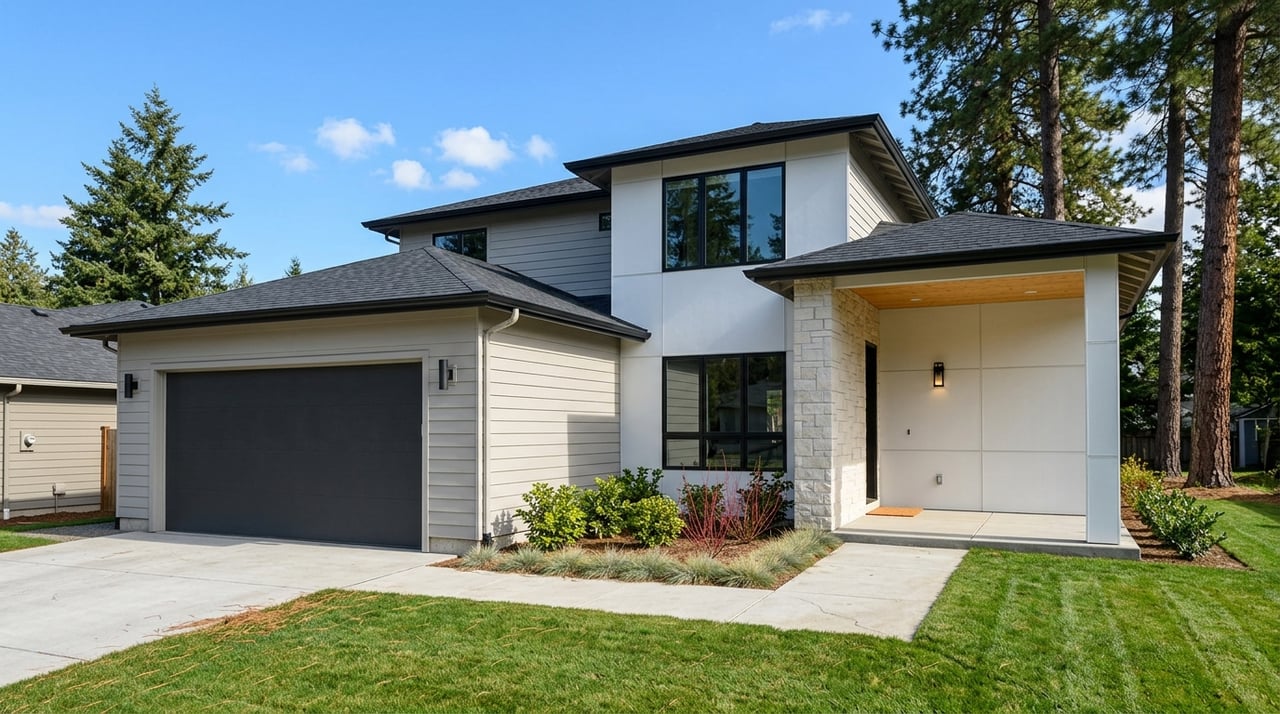
Buying a North Idaho Home Remotely With Confidence
July 2, 2026
July 2, 2026
Buying a home in North Idaho without living here might sound risky at first. But for many buyers, it is now a practical and proven way to purchase, especially when you have a clear process and a local expert guiding each step. If you are relocating, buying a second home, or adding an investment property, this guide will show you how to approach an out-of-state purchase with more confidence. Let’s dive in.
Out-of-state buying starts online for most people, and that is completely normal. In the National Association of Realtors 2024 Profile of Home Buyers and Sellers, 41% of buyers said their first step was looking online for properties, and 88% used a real estate agent or broker to buy.
That matters in North Idaho because online search can help you narrow your options, but local interpretation still matters. Market pace, road access, utility setup, land features, and disclosure details can look very different in person than they do on a screen.
In Kootenai County, the Coeur d’Alene Regional REALTORS’ May 2026 market snapshot reported a median single-family home price of $555,738, with 936 active residential listings and 86 days on market as of June 3, 2026. That gives buyers some room to compare homes, but it still helps to be ready when the right property shows up.
Before you tour homes, define what you actually need from the property. A buyer looking for a primary residence in a neighborhood near daily services will evaluate homes differently than someone searching for a seasonal cabin, waterfront property, or acreage.
Your plan should include your target price range, timing, property type, and how you expect to use the home. In North Idaho, those details affect everything from your search area to the inspections you may need.
A condo, single-family home, vacant land parcel, or recreational property can each come with very different considerations. If you are buying acreage or a more rural property, you may need to dig deeper into water, septic, access, and land-use details early in the process.
If you are buying a second home, think about how easy the property will be to maintain when you are away. If you are relocating, your timeline may be shaped by a work start date, temporary housing needs, or the need for a faster closing.
For an out-of-state purchase, communication matters as much as the home itself. You need a local agent who can preview homes, point out issues that may not be obvious online, coordinate due diligence, and keep everything moving when you are not here in person.
That local point of contact becomes even more important when you are comparing neighborhoods, reviewing disclosures, or trying to decide whether a property fits your long-term goals. In a market like North Idaho, local knowledge can save you time and reduce surprises.
Online listings are a great starting point, but they should not be your only filter. Photos can highlight finishes and layout, yet they may not fully show slope, road conditions, privacy, nearby uses, or the condition of big-ticket systems.
The best remote search process usually starts broad, then gets more detailed as your short list gets smaller. That helps you avoid spending too much time on homes that look good online but do not truly fit your needs.
A live video tour can give you more useful detail than still photos alone. It lets you ask to see storage areas, views from windows, driveway approach, exterior condition, and any spaces that matter most to you.
For North Idaho properties, this can be especially helpful if you are comparing homes with land, detached shops, lake access, or seasonal features. A live walk-through can also help you spot things that deserve a closer look during inspection.
Once a few homes rise to the top, it often makes sense to get a second virtual look before writing an offer. This is especially useful for second-home buyers and investors who need to confirm condition, layout, and practical use before moving forward.
At this stage, focus less on decor and more on decision-making details. Think access, maintenance, systems, utility setup, lot usability, and whether the property works for your real-life plans.
Once you find the right home, speed and clarity matter. A remote purchase can move smoothly when expectations are clear and documents are handled quickly.
Electronic signatures make that easier. Idaho allows remote online notarization for commissioned notaries using approved communication technology, and Idaho notary training materials state that the platform must support clear audio and video and retain the recording for at least 10 years.
If you are buying from another state, you may be able to review and sign many documents electronically. That can keep your transaction moving without requiring extra travel just to handle paperwork.
Still, you should read each document carefully and ask questions early. A remote transaction works best when you stay responsive and review deadlines closely.
Even if you never set foot in Idaho during the transaction, the offer strategy still needs local context. Pricing, inspection concerns, and seller expectations can vary from one area and property type to another.
That is where a local agent adds real value. You are not just submitting paperwork. You are making a market-based decision with local conditions in mind.
For remote buyers, inspections are not a formality. They are one of the most important tools you have for understanding what you are actually buying.
A standard home inspection is often just the beginning. In North Idaho, rural and semi-rural properties may also call for added review of septic systems, wells, water setup, land features, and access.
The Idaho Department of Environmental Quality says a property owner should have a septic site evaluation before purchasing property and applying for a permit. Idaho public health districts also permit and inspect septic systems, and Panhandle Health District handles water protection and septic-related permitting in North Idaho.
If the property relies on a private system, ask early what is already documented and what still needs to be verified. This is one of the easiest ways to avoid expensive surprises later.
The Idaho Department of Water Resources says a well owner or driller must obtain a drilling permit before drilling a well, and wells must be constructed by a licensed driller. If a property has a private well, make sure you understand what exists, what records are available, and whether any follow-up review is needed.
If you are buying acreage, waterfront property, or land that depends on irrigation, water rights should never be an afterthought. The Idaho Department of Water Resources states that water rights are real property rights.
IDWR also says buyers should make sure they are listed as the current owner if a water right transfers with the property, and that a transfer of real property passes appurtenant water rights unless they are reserved in the deed. In simple terms, water can be part of the value of the property, so you want that reviewed carefully before closing.
If inspections uncover concerns, you may need to renegotiate, request repairs, or decide the home is no longer the right fit. That is not a failure of the process. That is the process doing its job.
For out-of-state buyers, this step is even more important because you are relying on facts and documentation rather than instinct from repeated in-person visits. Clear reports and good communication help you make a smart decision.
Disclosure review matters everywhere, but it can be especially important in parts of North Idaho where environmental history or land-related issues affect a property. Remote buyers should take the disclosure packet seriously and review it early.
Idaho’s Property Disclosure Act requires residential sellers to disclose known hazardous materials or substances. That can be a key part of your due diligence, especially if the home is in an area with known environmental concerns.
In the Bunker Hill and Coeur d’Alene Basin Superfund area, the local government disclosure page states that lead-contaminated soil is part of federal lead disclosure requirements and that sellers, landlords, and agents must disclose known lead hazards. For buyers, that means environmental history is not just background information. It is part of understanding the property.
If a home falls within an area affected by these issues, make sure you review disclosures and ask questions before your final decision is locked in. That step matters even more when you are buying remotely.
North Idaho offers everything from in-town homes to cabins, recreational parcels, and lake properties. That variety is part of the appeal, but it also means each property may function differently.
If you are not local, it is easy to miss practical details that affect ownership costs and convenience. Verify them early, not after you are under pressure to close.
Ask whether the home is served by public utilities or relies on private systems. For rural, mountain, or lake-area properties, you may need to confirm well, septic, shared access, or other off-site infrastructure.
These items can cause delays or create extra costs if they are not reviewed early. A property that looks simple online may have more moving parts than expected.
If the home will be used seasonally, think beyond the purchase itself. Consider snow access, maintenance needs, storage, and whether the property is easy to secure when you are away.
That is especially helpful for second-home buyers who want a place that feels enjoyable, not logistically stressful. A home that is easy to lock and leave may fit your goals better than one that needs constant attention.
Many out-of-state buyers want to know whether they can close without flying back to Idaho. In many cases, a remote closing is possible, but it depends on the documents involved and how they need to be signed and notarized.
In Kootenai County, the recorder requires recorded documents to be original, completed, signed by the grantor, and notarized. The county states that documents can be recorded by mail or in person, and electronic recording is available through approved vendors.
That structure gives remote buyers workable options. It also means closing should be coordinated carefully so signatures, notarization, and delivery all happen on time.
A remote purchase can go very well, but it helps to avoid a few common mistakes. Most of them come down to rushing the details or assuming every property works like a standard suburban home.
Here are a few things to watch for:
Buying from out of state is easier when someone local is helping you connect the dots. You need more than a home search. You need market context, honest feedback, and a process that keeps moving even when you are hundreds of miles away.
That is where local experience can make the difference, especially in North Idaho where property types vary so much from one area to the next. Whether you are buying a full-time residence, a second home, vacant land, or a recreational property, a structured remote process helps you move forward with more clarity.
If you are planning to buy a North Idaho home from out of state, working with a local expert can make the process more efficient and far less stressful. When you are ready to talk through your goals, property type, and timeline, connect with Chris Briner.
Stay up to date on the latest real estate trends.


Buying or selling a home is a journey that deserves attentive guidance, thoughtful care, and seasoned expertise. Chris Briner is dedicated to providing each client with the confidence and support needed to navigate Coeur d'Alene and Hayden’s dynamic real estate market.