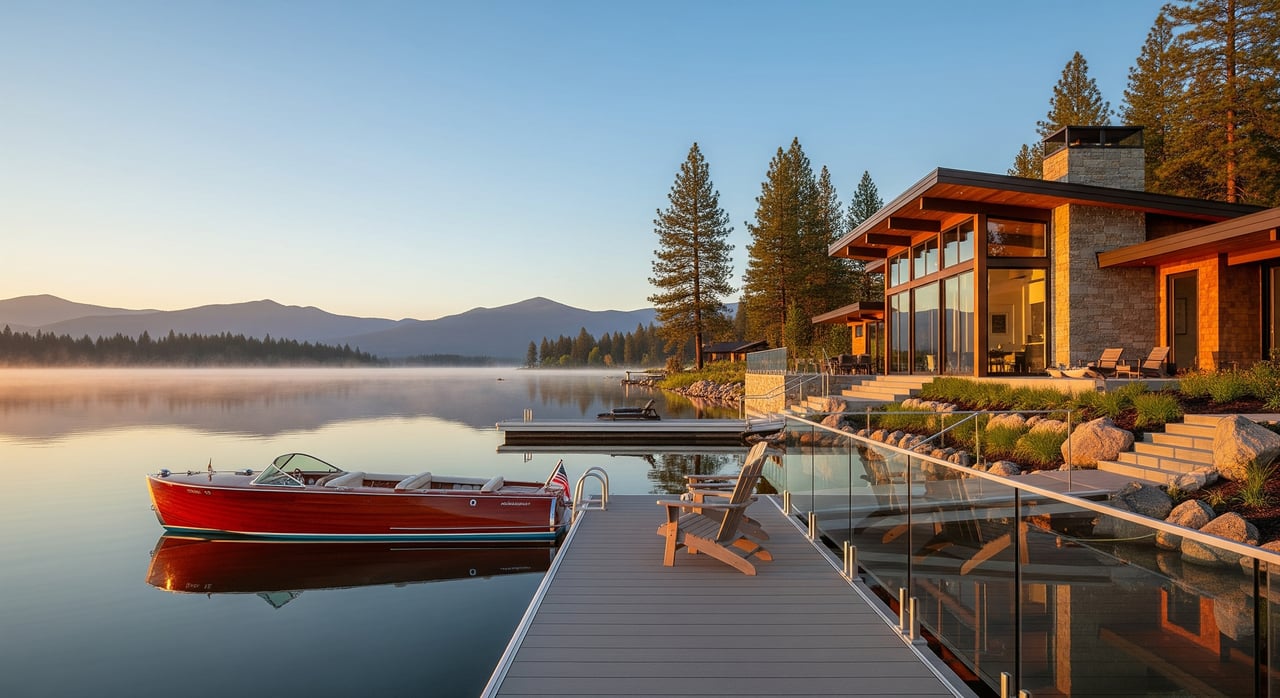
Dreaming about coffee on your dock and sunset cruises on glassy water? If Hayden Lake has your attention, you’re in good company. Buying or selling on the water is exciting, but it also comes with details you won’t see with in‑town homes. In this guide, you’ll learn what waterfront life on Hayden Lake really looks like, the factors that drive value, the permits and inspections that matter, and practical checklists for buyers and sellers. Let’s dive in.
Hayden Lake lifestyle
Hayden Lake sits in northern Idaho’s Kootenai County, within easy reach of regional hubs like Coeur d’Alene, Post Falls, and Spokane. Many owners use homes seasonally, while others live year‑round and commute to nearby services and employers.
On the water, you can enjoy powerboating, waterskiing, paddleboarding, sailing, fishing, and swimming. Summer is the peak season from Memorial Day through Labor Day. Shoulder seasons are quieter and great for hiking the shoreline or tackling projects. In winter, plan for snow, ice hazards, and dock care that may include seasonal removal.
When you live lakeside, you should confirm services such as fire and EMS coverage, school boundaries, and municipal utilities through Kootenai County and the City of Hayden. Many properties rely on private septic and well systems, so factor in regular maintenance and inspections.
Property types on Hayden Lake
- True waterfront with private shoreline and dock access.
- Elevated lots with broad views but no deeded water frontage.
- Shared shoreline or community access with association docks or ramps.
- Redevelopment or infill parcels that may need shoreline improvements.
Each type offers a different lifestyle and budget. True waterfront typically commands a premium, while view lots can deliver strong scenery at lower carrying costs.
What drives waterfront value
Waterfront value hinges on features that do not apply to standard homes. Key drivers include:
- Direct water access and deeded riparian rights compared with view‑only lots.
- Dock capacity, permitted size, and condition of existing structures.
- Shoreline type and stability, water depth at moorage, and beach usability.
- Lot orientation, privacy, and quality of lake views throughout the day.
- Flood zone status, erosion risk, and any required mitigation.
- Supply and demand for true waterfront, which can fluctuate seasonally.
- Special assessments for lake management or weed control that affect carrying costs.
Pricing should reflect apples‑to‑apples waterfront comparables, not general neighborhood sales.
Permits, rules, and agencies
Waterfront improvements and repairs often require permits. Before you build, replace, or modify docks, bulkheads, or shoreline structures, plan to check with:
- Kootenai County Planning and Zoning for local land use, setbacks, and development standards.
- Idaho Department of Lands and Idaho Department of Environmental Quality for state jurisdiction over lake beds and water quality.
- U.S. Army Corps of Engineers for projects that may affect wetlands or navigable waters.
- Local lake management or improvement districts if applicable.
For septic systems and wells, work with county environmental health to confirm permits, inspections, and replacement rules. Review FEMA flood maps and county floodplain rules to understand elevation requirements and insurance needs. Boating rules, no‑wake zones, and invasive species programs are administered through Idaho Department of Parks and Recreation and related state partners.
Environmental and water quality basics
- Aquatic invasive species prevention uses clean, drain, dry best practices and boat inspection stations in northern Idaho.
- Harmful algal blooms and nutrient loading are monitored by state environmental agencies; check advisories as part of due diligence.
- Vegetative buffers and low‑impact landscaping help stabilize shorelines and protect water quality.
- Protected habitat considerations can affect shoreline work; consult state fish and wildlife authorities when planning projects.
Costs and budgeting on the lake
Owning waterfront means planning for a few extra line items:
- Shoreline care, including bulkhead repairs, erosion control, and dock maintenance or seasonal haul‑out.
- Septic pumping and regular maintenance, especially with heavy summer use.
- Possible lake district, HOA, or weed management assessments.
- Winterization services for irrigation, water lines, and docks.
- Insurance that may include flood coverage depending on your FEMA zone and elevation. Docks and boats may need separate endorsements or policies.
Financing and appraisal notes
Lenders and appraisers account for waterfront premiums, but they rely on true waterfront comparables. Properties with septic and well often need documented inspections. Some loans may require flood insurance if the parcel sits in a Special Flood Hazard Area. VA and FHA options are available in many rural areas, subject to lender requirements.
Buyer due diligence checklist
Use this list to move confidently from offer to close:
- Confirm legal status: deeded waterfront vs. view‑only; recorded easements; high‑water mark location.
- Verify dock and shoreline permits; document whether structures are permitted, grandfathered, or need updates.
- Inspect shoreline stability for erosion, slumping, or recent regrading.
- Check water depth at the moorage area at typical lake levels and ask about seasonal fluctuations.
- Order septic inspection, maintenance history, and well flow and quality tests.
- Review FEMA flood maps and obtain flood insurance quotes during your affordability review.
- Ask about historical water quality advisories, AIS programs, and any lake management fees.
- Verify utilities, winter road access, snow removal, and trash pickup.
- Review CC&Rs, HOA rules, and special assessments.
- Confirm setback, height, and impervious surface limits that impact remodeling or accessory structures.
Seller preparation checklist
Set your property up to shine:
- Gather permits and records for docks, bulkheads, septic, wells, and surveys showing shoreline boundaries.
- Disclose known issues such as shoreline erosion, past flooding, or septic repairs.
- Improve waterfront appeal: repair dock boards, tidy pathways, and stage outdoor living areas.
- Price using recent local waterfront comparables and highlight permitted moorage, deeded access, and recent shoreline improvements.
Stewardship that protects value
Protecting Hayden Lake also protects your property value. Maintain native vegetation buffers, minimize fertilizer and pesticide use near the shore, and follow best practices for septic care. Follow clean, drain, dry steps for boats and gear to prevent invasive species spread. These habits support long‑term water quality and community enjoyment.
How we help on Hayden Lake
Waterfront transactions move best with clear planning, accurate valuation, and proven marketing. With local expertise in Kootenai County and team‑backed capacity, you get both personal guidance and efficient execution. Whether you are buying your first lake cabin or preparing a luxury waterfront sale, you will have a plan grounded in local rules, smart pricing, and strong presentation.
Ready to talk strategy for your Hayden Lake goals? Connect with Chris Briner for a local, step‑by‑step plan.
FAQs
How do I confirm true waterfront vs. a lake view?
- Review the deed for riparian rights, check recorded easements, and have a surveyor verify the mean high‑water mark and boundaries.
What permits are needed to build or replace a dock?
- Coordinate with Kootenai County Planning and Zoning, Idaho Department of Lands, and, if applicable, the U.S. Army Corps of Engineers before starting any shoreline work.
Are there boat size limits or no‑wake zones on Hayden Lake?
- Yes, boating rules and no‑wake areas exist; check Idaho Department of Parks and Recreation and local lake rules for current regulations.
Will I need flood insurance on a Hayden Lake property?
- If your home sits in a FEMA Special Flood Hazard Area and you use a federally backed loan, flood insurance is typically required; consider it even outside mapped zones for risk mitigation.
What ongoing costs are unique to waterfront ownership?
- Plan for dock and shoreline maintenance, septic pumping, potential lake or HOA assessments, and seasonal services like winterization and dock removal.
How can I evaluate shoreline erosion risk before buying?
- Hire a qualified geotechnical or shoreline professional to assess stability, armoring, and any needed mitigation.
Where can I check for invasive species and water quality advisories?
- Review state AIS programs and environmental agency advisories for current inspection requirements and any harmful algal bloom notices.
How should I market a Hayden Lake home when selling?
- Showcase permitted moorage, documented shoreline improvements, and private access; use professional photography that highlights the waterline, dock, and view corridors.