Buying a Home in Athol: Comparing Homes, Land and New Builds
March 12, 2026
March 12, 2026
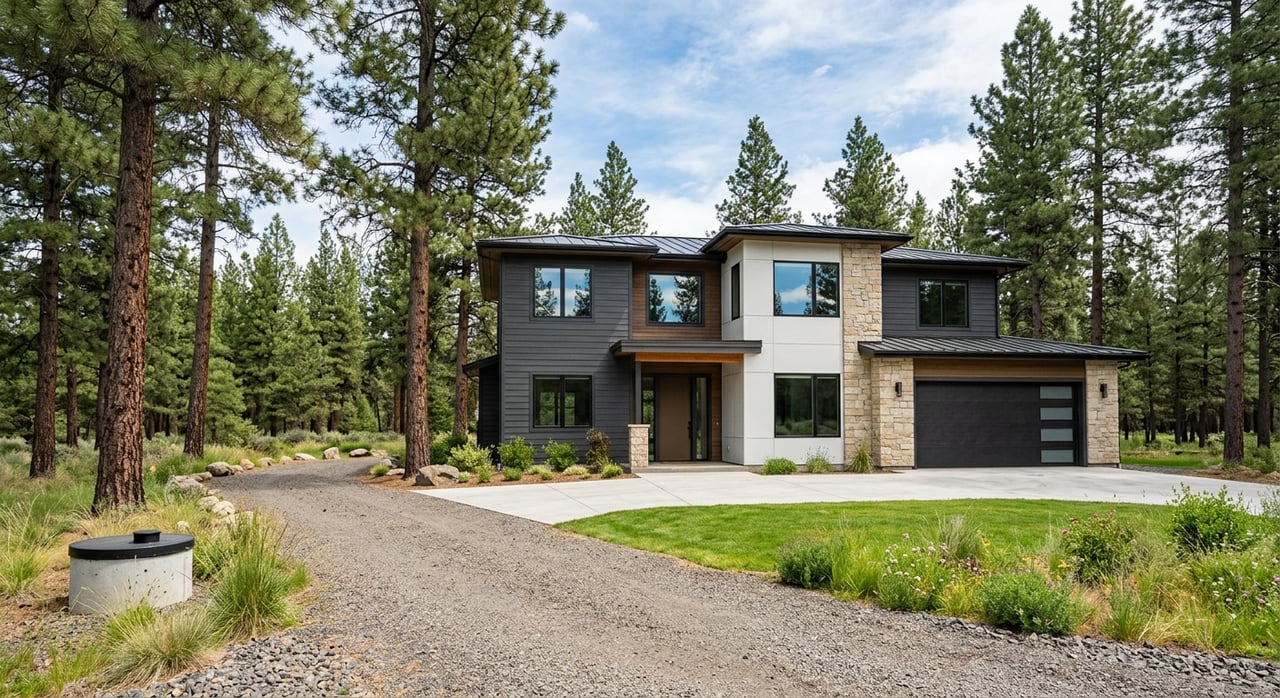
Buying in Athol can feel like three different markets in one: in-town homes, rural acreage, and newer planned communities. If you want small-town living near big recreation, you’re in the right place. In this guide, you’ll learn what to expect for each property type, how wells and septic work, and the key checks that protect your budget and timeline. Let’s dive in.
You sit between Coeur d’Alene and Sandpoint, with convenient access along US‑95. By road, Athol is roughly 21 miles to Coeur d’Alene and about a 25 to 35 minute drive to Sandpoint, depending on route and traffic. You’re also minutes from Farragut State Park and Lake Pend Oreille, a major draw for hiking, biking, boating and winter access.
Athol’s pricing varies by micro-area and property type. In-town homes on smaller parcels often price differently than 5 to 10 acre lots or custom new builds. Rather than focus on one “Athol price,” compare by property type and utility setup. That approach helps you target the right neighborhoods and avoid surprises tied to wells, septic and road improvements.
Inside Athol city limits you typically get municipal water, a walkable core, and smaller parcels. The city does not operate a municipal sewer system, so most homes use individual septic systems permitted through Panhandle Health District. The city also uses a Sewage Management Agreement with dwelling-equivalent (DE) limits that can affect adding bedrooms or an accessory unit. Review these early if you plan to expand.
What to check for in-town homes:
Most acreage around Athol relies on a private well and a private septic system. Parcels commonly range from 5 to 20 acres. Power is usually nearby, but you should confirm whether electricity and internet are at the lot line or need extension. Some rural roads are private; confirm road maintenance and access.
Key checks for acreage:
Newer projects near US‑95 and Farragut often market 5-acre lots with “power to the lot line,” natural gas on certain roads, and sometimes pre-drilled wells or private wastewater solutions. Treat these as claims to verify. Private systems and utility extensions must be documented in recorded plats or developer agreements. If you see “scheduled well drilling” or “private sewer,” confirm permits, easements and who owns and maintains the infrastructure.
How to verify developer promises:
In Idaho, well construction and driller licensing are handled by the Idaho Department of Water Resources. Every well needs a drilling permit and a licensed driller. You can search nearby well logs to see historical depth and yield, which helps you plan budgets and drilling timelines.
A 2025 statutory update changed how the domestic-well exemption is applied in certain regulated areas. If a property sits in a moratorium, Ground Water Management Area, or Critical Ground Water Area, the domestic exemption can be limited. That can affect what a well can serve and whether you need a separate water right or mitigation.
Panhandle Health District issues septic permits and maintains septic records. Before you buy, request the parcel’s permits, any as-built designs, and last pump or service records. For vacant land, make your offer contingent on a soils and perc evaluation.
To protect the Rathdrum Prairie aquifer, local agencies limit septic density. Kootenai County has pursued code updates that retain about one dwelling per five acres in affected areas. This five-acre septic density is a big factor for lot splits, adding second dwellings, and planning multifamily on rural land.
If soils are marginal, you may need an alternative system, such as a pressure-dosed mound or aerobic treatment. These systems can cost more and require ongoing operation and maintenance.
Determine whether the property sits inside Athol city limits or in unincorporated Kootenai County. That choice governs building permits and inspection paths. In the county, the Building Division provides permit checklists, fee schedules and inspection milestones.
Use this list to keep your lot or new-build search on track:
Broadband availability can vary by road and by developer build-out. Some providers are expanding local fiber, so confirm at the address level with the ISP. Families often look at Lakeland Joint School District #272 for school options and Kootenai Health in Coeur d’Alene for regional hospital services. Use neutral, factual comparisons and verify details that matter to your household.
Whether you want an in-town home with city water, a quiet 10-acre build site, or a lot in a new planned community, the right due diligence protects your budget and timeline. If you would like a property-type comparison, a custom checklist for your target lots, or help verifying wells and septic, reach out to Chris Briner for local, step-by-step guidance.
Stay up to date on the latest real estate trends.


Buying or selling a home is a journey that deserves attentive guidance, thoughtful care, and seasoned expertise. Chris Briner is dedicated to providing each client with the confidence and support needed to navigate Coeur d'Alene and Hayden’s dynamic real estate market.