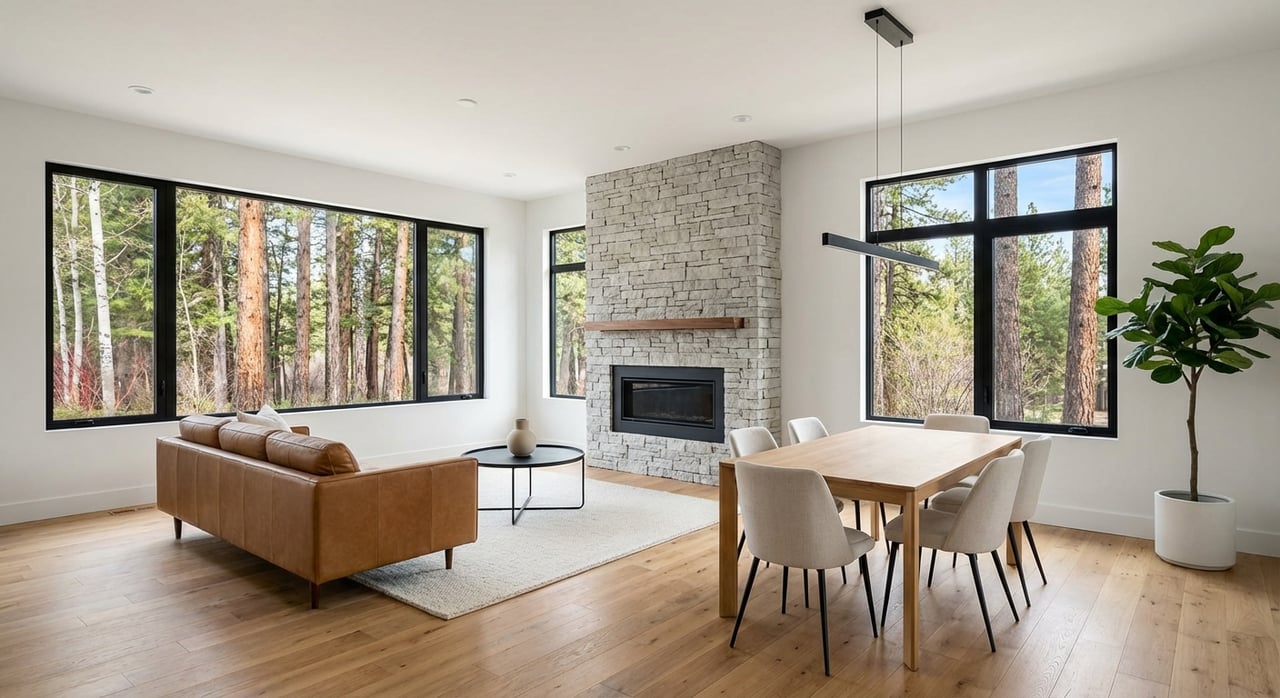
Second Home in North Idaho: What to Know Before You Buy
Chris Briner February 26, 2026
Chris Briner February 26, 2026
Dreaming of long summer days on the lake and quick winter getaways in the mountains? If North Idaho is on your mind for a second home, you’re in good company. From Coeur d’Alene’s walkable lakefront to Sandpoint’s ski‑to‑boat lifestyle, the region delivers year‑round fun and real value if you buy wisely. In this guide, you’ll learn how the area is defined, what to expect for costs and access, how financing works for second homes, what to verify about utilities and rentals, and how to close remotely with confidence. Let’s dive in.
When most buyers say “North Idaho,” they mean the Idaho Panhandle, home to Coeur d’Alene, Hayden, Post Falls, Sandpoint, Priest Lake and nearby communities. For orientation, the Panhandle is Idaho’s northern tip and a popular lake‑and‑mountain destination for second homes and cabins. You can read a short overview of the Idaho Panhandle’s geography and counties to align your search with the right markets.
There is a separate place with the ZIP 83671: Warren, Idaho. Warren is a very small, historic mining town deep in the Payette National Forest that you reach by forest roads. If your interest is truly in that ZIP, review the Warren, Idaho background and access notes to understand its remote, seasonal realities before you shop.
You’ll likely focus on Coeur d’Alene, Hayden and Post Falls for easy lake access and services, and on Sandpoint for Lake Pend Oreille and Schweitzer Mountain. These areas offer condos and townhomes near town, off‑water single‑family homes, and a premium tier of lakefront and ski‑area properties. Inventory and pricing change seasonally, and waterfront or lift‑area homes command strong premiums.
Plan for remote access, limited winter services and longer travel times. Many roads are forest routes that can be seasonal. Before you write an offer, verify year‑round access, insurability, and whether the site relies on well, septic, and generator power.
Across the Panhandle, you’ll find a wide range of options. Entry cabins or off‑water homes can sometimes be found under the mid‑$500k range depending on condition, proximity to lakes and access. Urban or town condos and townhomes often fall in a middle band, while lakefront and ski‑proximate homes commonly start higher and extend into the luxury tiers. Expect premiums for direct lake frontage and true ski‑area proximity.
Pricing signals vary by data source and neighborhood, and medians can differ based on whether they reflect listing prices or closed sales. Look at recent closed comparables in the specific neighborhood you like, and compare by waterfront status, view, deeded access, dock rights, acreage, and travel time to amenities. Your agent should show you apples‑to‑apples comps so you can separate a seasonal seller’s ask from real market value.
When reviewing prices, line up these features:
Most second‑home purchases use conventional financing. Many lenders allow as little as 10 percent down for eligible borrowers, though 15 to 20 percent is common for stronger pricing and to meet lender overlays. You can review typical second‑home down payment ranges in this overview from a major bank.
How you plan to use the home matters. If you intend to operate it primarily as a rental, lenders may classify it as an investment property, which can require larger down payments and additional reserves. If your price exceeds the conforming loan limit, you will need a jumbo or portfolio product with tighter terms. For program definitions and limits, see Freddie Mac’s guide on conforming thresholds.
If you prefer to read a simple consumer‑level walkthrough of the second‑home process, this step‑by‑step guide is a helpful high‑level resource. Final terms always depend on your lender and the specific property, so get a written pre‑approval before touring.
Property taxes are assessed by the county and influenced by levies and special districts. Idaho’s overall tax climate is often rated competitive in national comparisons, but your actual bill depends on the property’s assessed value and local rates. For context, see the latest State Business Tax Climate Index, then review the county assessor page for any home you are considering.
Insurance varies by exposure. Lakefront, mountain and forest‑edge properties can carry higher premiums due to flood or wildfire risk. Always get quotes on the specific parcel before you waive contingencies. If you are buying in a condo or planned community, add HOA dues and special assessments to your budget.
Access and services differ widely between in‑town addresses and country cabins. Many resort‑area streets are plowed all winter, while rural and hillside roads may have limited service or require 4WD. Remote areas like Warren can have seasonal road closures, so plan travel and emergency access accordingly.
Many second homes rely on private wells and septic systems. Idaho recommends well owners test annually for bacteria and nitrate and periodically for other contaminants. Review permits and recent test results as part of your inspection. For guidance on testing and frequency, start with the Idaho Department of Environmental Quality’s private well resources.
Power, internet and cell coverage are not guaranteed in rural pockets. Confirm grid power, propane and septic pump access. Ask about backup generators, satellite or fixed wireless internet and cell boosters if you plan to work remotely.
Short‑term rental rules change by city and county. Many municipalities require a business license, safety inspections, or limits on occupancy and nights. County rules in unincorporated areas can differ from city codes, and HOAs may have their own restrictions. Before you model any rental income, confirm the current rules with the city or county for the specific parcel and read the HOA covenants if applicable. Your agent can help you gather the right documents so you stay compliant.
Buying from out of the area is common and very doable with a plan:
If a North Idaho second home is on your radar, start with clarity on location, access and budget. Then line up financing and a due‑diligence plan that fits the property type you want. When you are ready, connect with a local advisor who can help you compare neighborhoods, confirm utilities and road service, and guide you from offer through remote closing. Have questions or want a custom short list of homes that fit your plan? Reach out to Chris Briner to get started.
Stay up to date on the latest real estate trends.


Buying or selling a home is a journey that deserves attentive guidance, thoughtful care, and seasoned expertise. Chris Briner is dedicated to providing each client with the confidence and support needed to navigate Coeur d'Alene and Hayden’s dynamic real estate market.