Harrison Lakefront Property Buying: What To Know
December 25, 2025
December 25, 2025
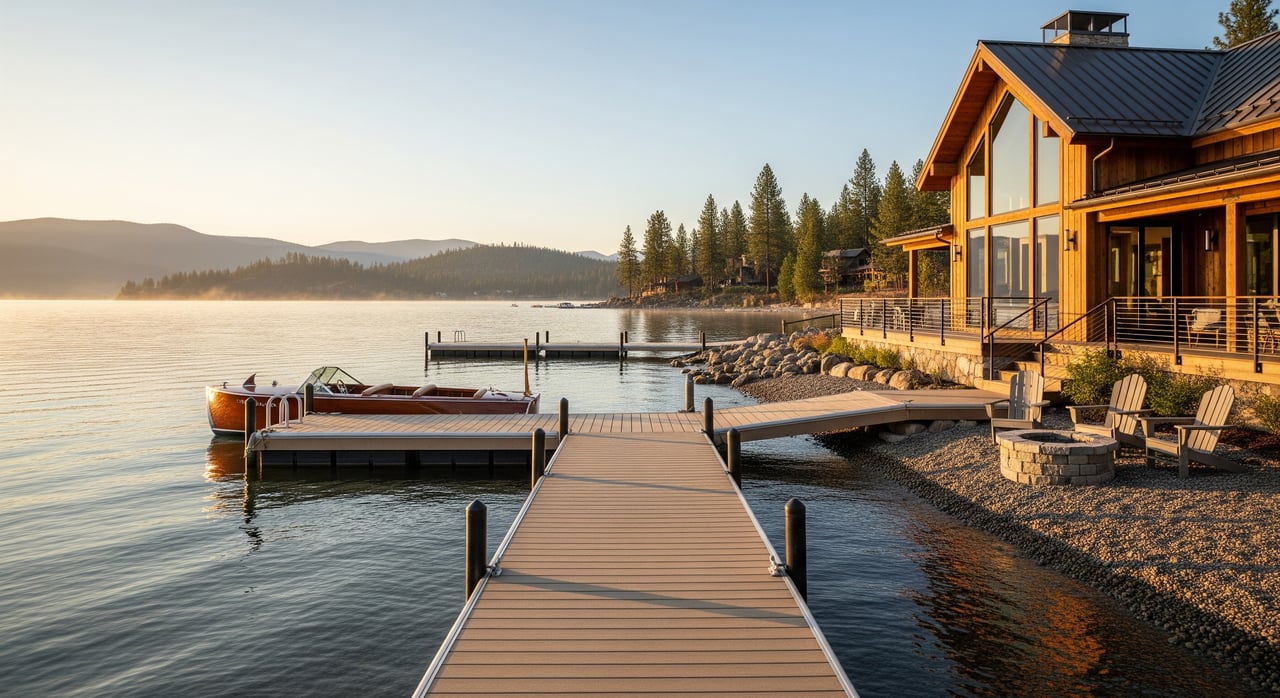
Sunrise on Lake Coeur d'Alene is hard to beat. Still, buying lakefront in Harrison is different from buying in-town. You have extra steps around docks, shoreline rights, septic and wells, flood zones, and seasonal access. In this guide, you’ll learn the key checks, permits, and costs so you can move forward with confidence. Let’s dive in.
Lakefront around Harrison is limited and in demand. You’ll see a wide mix of properties, from cozy cabins on steep banks to larger homes with level access, private docks, and broad views. Values tend to rise with direct water access, a permitted dock or slip, usable beach, gentle slope, and unobstructed views.
Expect seasonal change. Summer brings more boat traffic and visitors. Winter can affect road access and maintenance. If you plan to rent, short-term rental rules vary by city, county, and HOA, so always verify current requirements before you buy.
For a broader look at Harrison waterfront market conditions, read Chris’s guide to Harrison waterfront real estate trends and insights.
Shoreline ownership in Idaho can be complex. Some deeds extend to the ordinary high-water mark, known as the OHWM, while others stop short. The exact boundary affects where you can place structures and how you protect the bank. Always confirm the legal description, deed, and a current survey that calls out the OHWM.
Even where waterfront is privately owned, public navigation on the water remains. Your littoral rights guide access to the lake and structures like docks, subject to permitting. Review title, surveys, and any recorded easements to understand your exact rights.
Paths, shared access, or long-standing neighbor use can create recorded or even prescriptive easements. Ask for all recorded easements and look for signs of shared pathways or historic boat access. A title commitment and survey will help surface these issues.
Docks on navigable waters often involve state permission. The Idaho Department of Lands (IDL) manages aquatic leases and permits for structures over submerged lands. Repairs, replacements, or new docks can have different rules than what existed before. Confirm that any existing dock has current authorization and that the configuration matches the permit.
An aquatic lease is written permission to place and use a structure over state-managed lakebed. Without it, you can face fines or removal. If a dock is unpermitted, ask for the likely path and cost to retroactively permit it.
Seawalls, riprap, and other stabilization usually require permits and can trigger review by multiple agencies. Unauthorized work can be expensive to fix. Many local rules also limit tree removal and vegetation clearing along the bank to protect habitat and reduce erosion, so confirm what is allowed before cutting or regrading.
Many Harrison-area lakefront homes rely on septic systems. The Panhandle Health District regulates onsite sewage, including setbacks from the lake and wells, and issues permits. Confirm permit history, location, age, capacity, and any recent pump or inspection records. Some older systems must be replaced or upgraded before remodels or sales.
Private wells are common. The Idaho Department of Water Resources (IDWR) manages well permits and water-rights issues. Land ownership does not automatically grant water rights for certain uses. Plan for a well inspection, pump test, and water-quality testing for potability, including bacteria, nitrates, and any local contaminants.
Low-lying parcels near the lake can be affected by high water or wave action. Check FEMA Flood Insurance Rate Maps to see if the property sits in a designated flood zone. Lenders may require an elevation certificate for insurance rating. Even if insurance is not required, it is often wise to consider it on waterfront.
An elevation certificate is a survey document showing the home’s elevation relative to base flood elevation. It can influence flood insurance premiums and design choices for new construction.
Steep bluffs and soft shoreline soils can shift or erode. Look for signs of prior stabilization and verify that any past work was permitted. If the bank appears unstable, consider a civil or geotechnical engineer or shoreline specialist before you waive contingencies.
Winter ice and freeze-thaw cycles can damage docks, boathouses, and seawalls. Some owners remove docks seasonally. Ask about past winter damage and confirm your insurer’s requirements for dock removal or protection.
Many lakefront homes use private wells and septic systems. Electricity is generally available, but natural gas is uncommon in rural shoreline areas. Internet speeds vary by provider and location, so verify service before you commit.
Confirm whether the property has year-round road access and who maintains it. Public roads may be city or county maintained, while private roads typically require shared maintenance agreements and costs. Also confirm fire district coverage, ambulance service, and distance to emergency care if you plan to live there year-round.
Waterfront insurance can be higher than inland due to wind, water, and erosion risks. If the property is in a FEMA flood zone, lenders will require flood insurance. Even if not required, many buyers choose to carry it. Review coverage for wind, winter storms, and wave action, and consider wildfire risk where relevant.
Plan for ongoing costs: annual dock inspections or removal, shoreline upkeep, septic pumping, tree work, and erosion control. Property taxes vary by parcel; the county assessor can provide current rates and any applicable exemptions.
Direct water access, a permitted dock or slip, level or gently sloped access, a sandy or usable beach, and wide open views tend to command the highest premiums. Steep or rocky shorelines, lack of dock rights, floodplain restrictions, or aging septic and well systems can reduce value.
Comparable sales for true waterfront are often limited. Appraisers may adjust for shore condition, dock entitlement, and access. Lenders sometimes bring in appraisers with specific waterfront experience.
Short-term rental rules change and can differ between the City of Harrison, Kootenai County, and your HOA. You may need licensing and to follow local occupancy and tax rules. Verify the current ordinance and HOA policies before counting on rental income.
Summer brings energy, events, and more boats on the water. Winter is quieter and can bring ice, snow, and access challenges. Think through how you plan to use the property in each season, along with the maintenance and insurance that come with true waterfront living.
When you are ready to explore Harrison lakefront, partner with a local advisor who understands shoreline rights, permitting, and value drivers on Lake Coeur d'Alene. If you want a clear plan from search to closing, reach out to Chris Briner.
Stay up to date on the latest real estate trends.


Buying or selling a home is a journey that deserves attentive guidance, thoughtful care, and seasoned expertise. Chris Briner is dedicated to providing each client with the confidence and support needed to navigate Coeur d'Alene and Hayden’s dynamic real estate market.