First-Time Guide to Buying Land in Athol Idaho
January 8, 2026
January 8, 2026
Thinking about buying land in Athol but not sure where to start? You’re not alone. Rural and recreational parcels around Kootenai County can be rewarding, but they also come with extra steps that catch first-time buyers off guard. In this guide, you’ll learn how to check zoning, wells, septic, access, utilities, and financing so you can move forward with confidence. Let’s dive in.
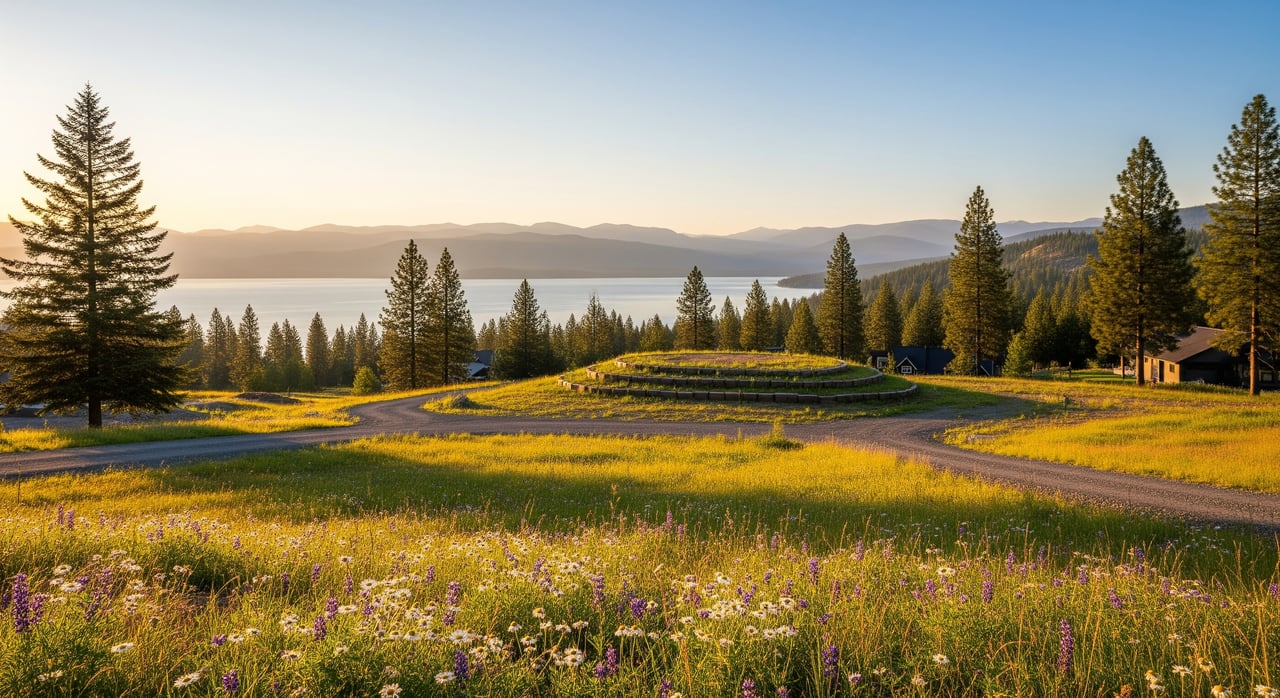
Athol sits near Lake Pend Oreille and Farragut State Park, which makes it popular for outdoor access, seasonal homes, and peaceful rural living. You’ll find a mix of forested lots, small acreage parcels, and some recorded subdivisions. Proximity to Coeur d’Alene influences demand and pricing, so attractive, buildable lots can move quickly.
If you are looking at undeveloped land, plan for extra time and budget. Roads, wells, septic, power, and permits can add meaningful cost. The key is to verify feasibility before you commit.
First, confirm who regulates your parcel. In most unincorporated areas around Athol, Kootenai County Planning and Zoning is the primary authority. If the lot is inside an incorporated city, contact that city’s planning office. Use the county GIS parcel viewer and zoning map to verify the land use designation and any overlay zones.
Zoning controls allowed uses, minimum lot sizes, and setbacks. Ask planning staff to confirm what you can build and whether there are special rules for floodplains, shorelines, or critical areas. If you plan to split or combine parcels, you may need subdivision or lot line adjustment approval.
Some subdivisions or private communities have recorded covenants, conditions, and restrictions. These may limit building type, exterior colors, outbuildings, and short-term rentals. Ask your title company to pull recorded covenants and review any HOA bylaws and dues.
This is where most land deals succeed or fail. Work through each item in order and document the answers.
Lots around Athol often rely on private wells. Some areas have public or shared systems, but you need to confirm capacity and connection availability. Check state well records and ask about water rights. A well feasibility check helps you plan for depth and drilling conditions.
Septic approvals run through the regional health authority. You will need a site and soil evaluation before you can install a system. Small lots, steep slopes, or poor soils can limit conventional systems, so confirm suitability early. If sewer service is nearby, verify trunk capacity and connection costs.
Soils, slope, and rock influence foundation design and septic options. Use county GIS and soils data for a first look, then bring in a surveyor or geotechnical pro as needed. Steeper or heavily timbered parcels often require more site work and thoughtful placement of the building area.
Check FEMA flood maps to see if any part of the parcel sits in a mapped flood zone. If it does, you may face elevation requirements and special permits. Wetlands and jurisdictional waters can trigger state or federal approvals before you can disturb the site.
Parts of Kootenai County lie in the wildland–urban interface. Expect guidance or requirements for defensible space, vegetation management, and ember-resistant construction. Insurance availability and premiums can be affected by wildfire exposure, so ask your insurer early.
Confirm there is legal, recorded access to a public road. A verbal path across a neighbor’s land is not enough. Ask who maintains the road and what fees or responsibilities apply. Driveway locations may require a county or state access permit, especially near highways.
Electric service is available in many areas, but line extension costs and timelines vary. Natural gas is often not available on rural parcels, so plan for propane or electric heat. Broadband and cellular coverage can vary; contact local providers to understand service options and installation timing.
Order a preliminary title report to identify liens, mortgages, easements, and covenants. Title insurance is recommended to protect against defects you cannot see in public records. Review exceptions carefully and ask questions before removing contingencies.
A current boundary survey confirms acreage, corners, and building setbacks. It also helps locate easements and any encroachments. If flood risk exists, consider an elevation certificate to clarify requirements.
Utility, pipeline, or access easements can limit where you build. Map these on your survey and confirm with the county how they affect your building envelope. Get written clarity from the title company if any easement language is unclear.
If the parcel sits in a recorded subdivision, obtain CC&Rs, HOA bylaws, and a statement of dues or assessments. Make sure proposed uses match the recorded restrictions. Ask for architectural review requirements if applicable.
Land financing is different from a home mortgage. Lenders often require a larger down payment, higher interest rates, and shorter terms. Options include local banks and credit unions that understand North Idaho land, lot or construction loans if you plan to build soon, seller financing, or cash. FHA and most conventional mortgage products generally do not finance unimproved land.
Beyond the purchase price, budget for site planning, survey, septic design, and well drilling. Add utility hookups, road or driveway construction, and erosion control. Include permit fees, potential mitigation costs, and a contingency fund for unknowns. Property taxes, insurance, title insurance, escrow, and closing costs also apply.
A typical due diligence period is 30 to 90 days, depending on access to evaluators and weather. Use this window to complete septic and well feasibility, survey and title review, and lender approvals. Write your offer with contingencies for septic and well, financing, and satisfactory title and survey.
Buying land in Athol is achievable when you follow an ordered plan. Verify legal access and zoning, secure title and a current survey, confirm septic and well feasibility, and price out utilities before you remove contingencies. With a clear checklist and local pros on your side, you can choose the right parcel and avoid costly surprises.
If you want a local guide to walk you through parcels, due diligence, and timing, reach out to Chris Briner. You will get personalized advice backed by a team that knows North Idaho land and how to get deals across the finish line.
Stay up to date on the latest real estate trends.
Buying or selling a home is a journey that deserves attentive guidance, thoughtful care, and seasoned expertise. Chris Briner is dedicated to providing each client with the confidence and support needed to navigate Coeur d'Alene and Hayden’s dynamic real estate market.