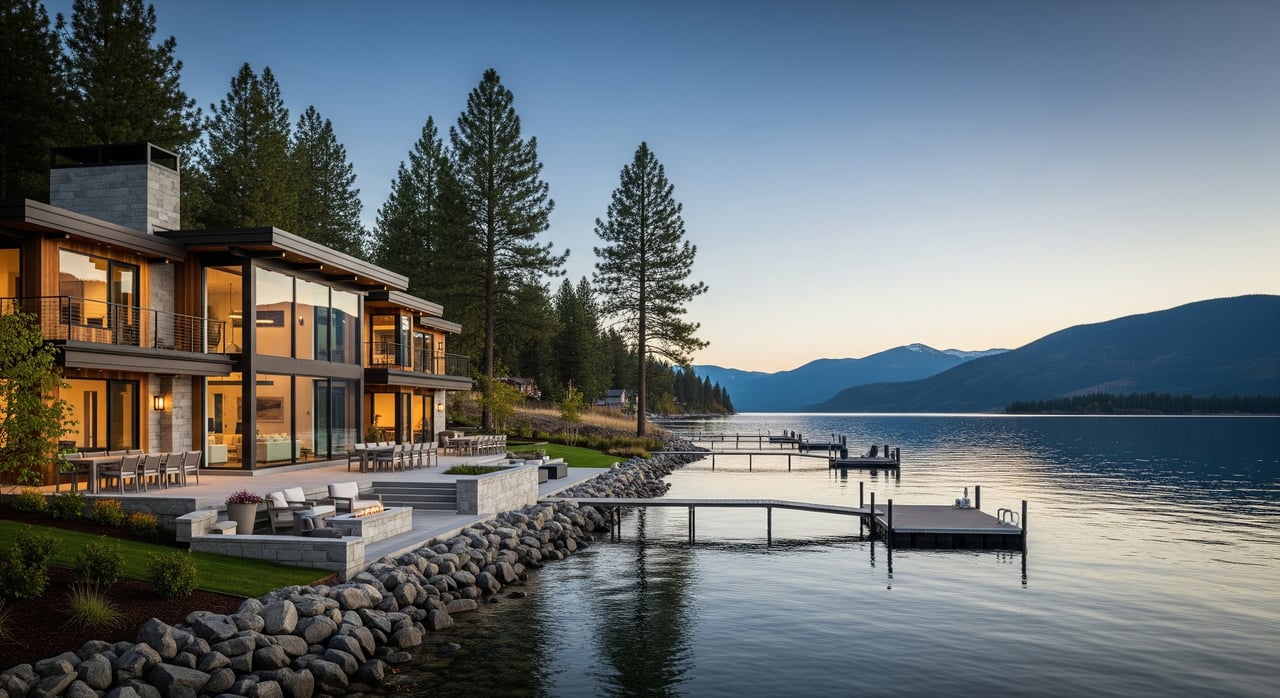
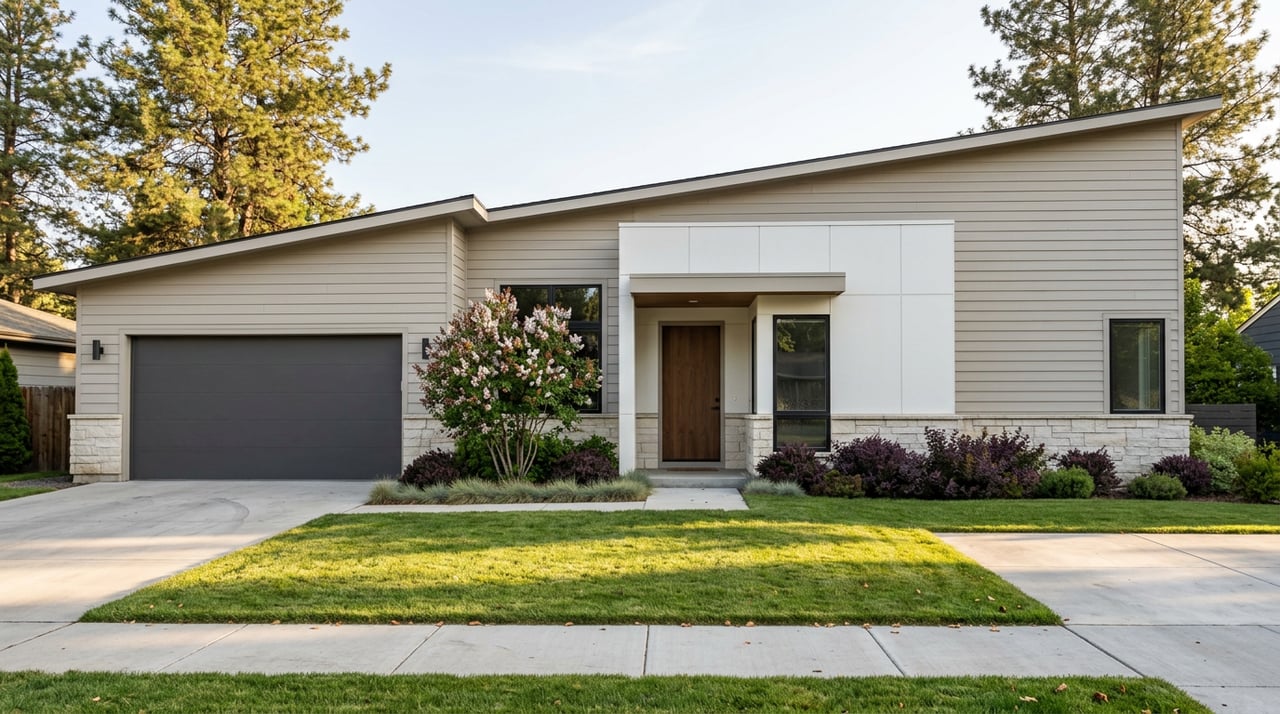
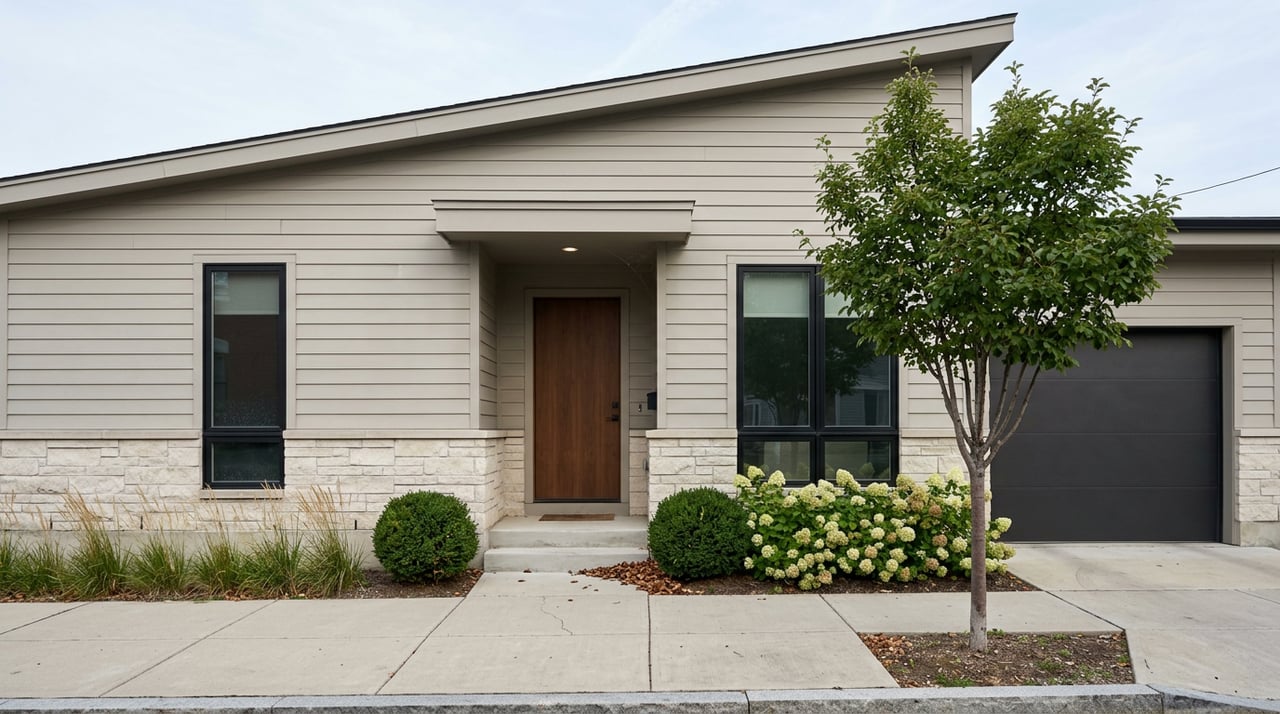
Thinking about listing your Sandpoint home for weekend getaways or ski-season stays? You are not alone. Short-term rentals can offset costs and keep your place occupied, but the rules can feel confusing fast. This guide walks you through what to verify in Sandpoint and unincorporated Bonner County, how Idaho taxes work, and the safety and insurance basics you should have in place. Let’s dive in.
First step: Confirm your jurisdiction
Before you do anything, confirm whether your property sits inside Sandpoint city limits or in unincorporated Bonner County. City and county rules can differ. Your permitting path, zoning allowances, and even parking standards may change depending on where the home is located. If you are near the edge of town, double-check the official boundary map or ask Planning & Community Development.
Sandpoint city rules: What to check
Every city handles short-term rentals a little differently. In Sandpoint, start by reviewing the municipal code and contacting the Planning & Community Development office to confirm current requirements.
Permit or business license
- Ask whether you need a dedicated short-term rental permit or a business license to operate. Some cities also distinguish between primary residence rentals and non-owner-occupied properties.
- Clarify application materials you may need, such as proof of insurance, a floor plan, an on-site contact, and emergency procedures.
Zoning and where STRs are allowed
- Verify whether your zoning district allows short-term rentals and if there are any overlay areas, like historic or shoreline districts, with special standards.
- Confirm if the city sets limits on maximum guests per bedroom, minimum night stays, or spacing/density rules for non-owner-occupied rentals.
Parking, noise, and inspections
- Ask about parking requirements, including how many off-street spaces are required per unit.
- Review quiet hours and nuisance standards so you can write clear house rules for guests.
- Confirm if a fire or building inspection is required before you receive approval.
Renewals and records
- Find out how long your permit or license lasts and when to renew.
- Keep rental calendars, guest logs, tax receipts, and any inspection reports organized. Cities often require records if a complaint is filed.
Unincorporated Bonner County: What to verify
If your property is outside Sandpoint city limits, connect with Bonner County Planning & Zoning to confirm rules for your specific parcel.
Zoning and approvals
- Ask whether short-term rentals are allowed by right, require a conditional use permit, or are limited by zone in rural residential areas.
- Check if any development standards apply to your access, driveway, or site layout.
Health, septic, and wells
- Occupancy can be affected by your septic system and water source. Confirm that your intended guest count aligns with system capacity and health standards.
Parking and access
- Rural roadways can be narrow. Verify parking rules, snowplow access, and any restrictions on roadside or right-of-way parking.
Idaho taxes: Registration and remittance
Short-term rental income in Idaho generally triggers tax obligations. Plan ahead so you collect and remit properly from day one.
Register with the Idaho State Tax Commission
- Hosts typically must register to collect and remit Idaho sales tax on short-term lodging. You will receive filing instructions and schedules once registered.
Local lodging or tourist taxes
- Some Idaho cities and counties impose local lodging or tourist taxes. Verify whether Sandpoint or Bonner County has a local tax and how to remit it.
Do platforms collect for you?
- Listing platforms may collect and remit certain taxes in some places. Even if a platform collects one tax, you might still be responsible for others. Confirm what is covered and what remains on you.
Income tax considerations
- Report rental income on your state and federal returns. If you form a business entity or hire employees, check for any additional registration requirements with the state.
Safety standards and guest protections
Your guests deserve a safe stay, and safety prep can also be part of the approval process.
Smoke and CO alarms
- Install smoke and carbon monoxide detectors in required locations and test them regularly. Follow local building and fire code guidance.
Fire extinguisher and egress
- Provide an accessible fire extinguisher and ensure clear exits. Bedrooms used for sleeping need proper egress, including functioning windows where required.
Emergency information
- Post a simple guide with emergency contacts, evacuation steps, the property address, and local hazard tips. In North Idaho, include winter driving guidance and wildfire awareness.
HOA, CC&Rs, and private rules
City or county approval does not override private restrictions. If you have an HOA or recorded covenants, confirm they allow short-term rentals and whether any additional rules apply. If your HOA prohibits STRs, do not proceed without addressing those restrictions.
Insurance and risk management
Standard homeowner policies often exclude short-term rental activity. Talk with your insurance agent about:
- Short-term rental or commercial coverage that explicitly covers guest stays
- Higher liability limits or an umbrella policy if you host frequently
- Requirements for property managers or contractors who work at the home
Keep certificates of coverage on file and update them at renewal.
Operating playbook: Be a good neighbor
Thoughtful operations reduce complaints and protect your permit.
- Set and share house rules about maximum occupancy, quiet hours, parking, pets, and trash.
- Provide clear check-in and check-out times and instructions.
- Keep your on-call contact responsive to noise, parking, or maintenance issues.
- Schedule regular maintenance and safety checks, especially before peak seasons.
Quick-start compliance checklist
- Confirm if your property is inside Sandpoint city limits or in unincorporated Bonner County.
- Review the City of Sandpoint municipal code or contact Planning & Community Development; contact Bonner County Planning & Zoning for county parcels.
- Verify permit or business license requirements and application materials.
- Check zoning allowances, occupancy limits, parking rules, and any inspection requirements.
- Register with the Idaho State Tax Commission to collect and remit applicable taxes.
- Ask whether local lodging or tourist taxes apply and how to remit them.
- Confirm platform tax collection policies and what remains your responsibility.
- Upgrade safety items: smoke/CO alarms, extinguisher, egress, and posted emergency info.
- Review HOA/CC&Rs for any STR restrictions.
- Secure appropriate STR insurance and consider an umbrella policy.
- Draft a rental agreement and house rules; set up recordkeeping for bookings, taxes, and inspections.
Common mistakes to avoid
- Assuming city rules apply countywide, or vice versa
- Skipping tax registration because a platform collects one tax type
- Ignoring septic capacity when setting guest limits
- Launching without the right insurance coverage
- Not saving records that prove compliance
When to ask for help
If you are unsure about a requirement, reach out early. The best contacts typically include:
- City of Sandpoint Planning & Community Development and City Clerk
- Sandpoint Fire Department and Building Official for inspections and safety
- Bonner County Planning & Zoning for unincorporated parcels
- Idaho State Tax Commission for registration and tax remittance
- Your insurance agent for STR-specific coverage
Ready to move forward or want a second set of eyes on your plan? As a North Idaho-focused real estate advisor, I can help you align your investment goals with local rules and connect you with trusted local partners. Reach out to Chris Briner to talk through your property, timeline, and next steps.
FAQs
Do I need a permit to operate a short-term rental in Sandpoint?
- Possibly. Confirm current requirements with the City of Sandpoint Planning & Community Development or the City Clerk before you list your property.
How do I know if my home is in the city or county?
- Check official city boundary maps or contact Planning & Community Development to verify whether your address is inside Sandpoint city limits or in unincorporated Bonner County.
What taxes apply to short-term rentals in Idaho?
- Expect to register with the Idaho State Tax Commission to collect sales tax and verify whether any local lodging or tourist taxes apply in Sandpoint or Bonner County.
Will my platform collect all required taxes for me?
- Not always. Platforms may collect some taxes in some areas, but you might still owe others. Confirm exactly what is collected and what you must remit.
Are inspections or safety upgrades required before hosting?
- It depends. Many jurisdictions require smoke/CO alarms, a fire extinguisher, safe egress, and sometimes a fire or building inspection. Verify local requirements before hosting.
Can my HOA stop me from doing short-term rentals?
- Yes. HOA rules and recorded covenants can prohibit or limit STRs even if city or county rules allow them. Review your CC&Rs and check with HOA management.
What records should I keep as a host?
- Maintain booking calendars, guest logs, tax filings, permits, inspection reports, and insurance documents so you can demonstrate compliance if asked.