Stop Ice Dams in Kellogg: Vent, Insulate, Drain
October 16, 2025
October 16, 2025
You do not have to live with icicles and ceiling stains every winter. In Kellogg, heavy snow and frequent freeze–thaw cycles set the stage for ice dams that can damage your roof and interior. The good news: most ice dams are preventable with the right mix of ventilation, insulation plus air sealing, and roof‑edge protection. In this guide, you will learn exactly how to prevent ice dams, what it costs, and how to keep your home market‑ready. Let’s dive in.
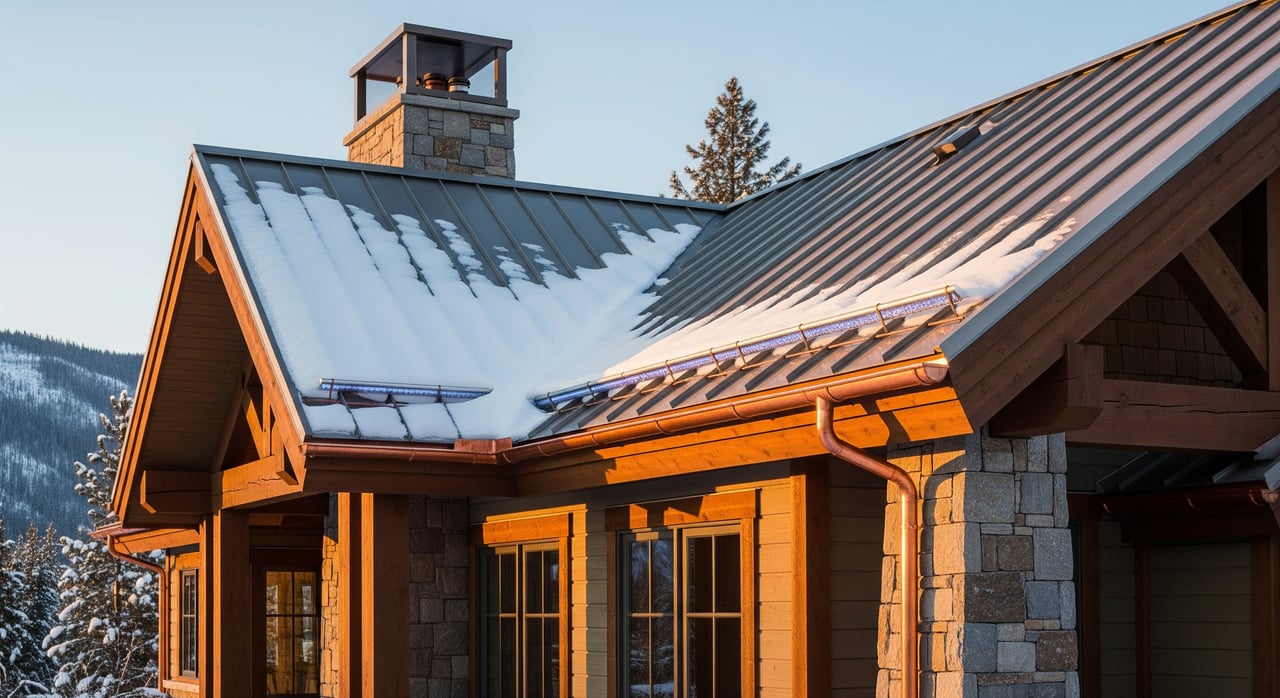
Kellogg winters bring significant snowfall and temperature swings around freezing. The area averages roughly 61 inches of snow a year, which is a lot of weight and moisture sitting on your roof for months at a time. Local climate data for Kellogg shows the kind of freeze–thaw pattern that promotes melt during the day and refreeze at night.
In these conditions, warm roof surfaces melt the snowpack, that water flows down to the colder eaves, then refreezes into a ridge of ice. Without fixes that keep the roof cold and the eaves protected, even a newer roof can develop ice dams in Kellogg’s climate.
An ice dam is a ridge of ice that forms along your eaves and blocks meltwater from draining. Trapped water backs up under shingles and into the roof assembly, which can lead to leaks, stained ceilings, and wet insulation. The cycle starts when heat escapes from your house into the attic, warms the roof deck, and melts the bottom of the snowpack. That meltwater refreezes at the colder overhangs and builds a dam. The Department of Energy’s building science guidance explains the risk clearly and recommends cold‑roof details that stop this cycle at the source. Learn the basics of eave protection and cold‑climate assemblies.
Ice‑dam prevention works best when you combine three strategies. Think of it as a system:
Addressing only one part usually is not enough in Kellogg’s snow climate. Here is how to do each one right.
Balanced attic ventilation helps keep the roof deck close to outdoor temperatures so snow does not melt unevenly. That means continuous soffit intake plus ridge or high‑point exhaust, sized to meet code ratios for net free vent area and split between high and low. The IRC’s approach is summarized in this technical resource on sizing and placement. See guidance on calculating attic passive ventilation.
Practical tips you can use:
Insulation reduces heat flow. Air sealing stops warm indoor air from reaching the attic, which is often the bigger driver of ice dams. In Kellogg’s climate zone, bring attic insulation to the higher end of recommended levels and pair it with thorough air sealing. The Department of Energy’s guidance outlines cost‑effective targets for cold regions. Review insulation and air sealing best practices.
Air‑sealing priorities before you add insulation:
This resource shows common air‑sealing details at the attic plane. See DOE’s attic access air‑sealing guidance.
At the eaves, keep insulation at full depth over the exterior walls. Baffles and wind dams maintain airflow and prevent insulation from getting compressed at the roof edge, which reduces performance.
Even with a cold roof, plan for the occasional melt event. Protect the eaves and give water a controlled path off the roof:
Use these steps to reduce risk right away, especially after major storms:
Every home is different, but these ballpark ranges can help you plan. Local bids vary by access, roof design, and material choices. Get multiple written quotes and confirm licensing, insurance, and permit handling.
Roofing changes, new ventilation, and major insulation work can require permits and inspections. Always check with the local office before you start. Visit the City of Kellogg Building Department for current requirements and guidance.
Idaho’s energy code follows the IECC with state amendments, which set minimum levels for insulation and other measures. Your contractor or energy auditor can confirm the current standard in Kellogg.
If you qualify based on income, you may be eligible for weatherization help that can cover air sealing and insulation work. Start with Idaho’s program overview to see eligibility and local contacts. Explore Idaho Weatherization and LIHEAP resources.
Watch for warning signs: long icicles at the eaves, water stains on ceilings, wet attic insulation, or a musty smell in the attic. These often point to active or previous leaks related to ice dams. Here is a quick look at what icicles can signal about your home.
For large ice dams or any active leaking, hire a qualified professional. Walking on an icy roof or chipping ice can cause injuries and roof damage. Pros use methods like low‑pressure steam and can repair underlayment and shingles if needed.
Ice‑dam prevention is not just about comfort. A dry, well‑detailed roof protects your largest asset and keeps your home market‑ready for appraisal and inspection. Combine vent, insulate and air seal, and drain and protect to stop the cycle for good.
Have questions about which upgrades add value before you sell, or what to look for when you buy in winter? Reach out to Chris Briner to talk through a plan that fits your home and timeline.
Stay up to date on the latest real estate trends.




Buying or selling a home is a journey that deserves attentive guidance, thoughtful care, and seasoned expertise. Chris Briner is dedicated to providing each client with the confidence and support needed to navigate Coeur d'Alene and Hayden’s dynamic real estate market.