Living in Priest River Idaho: A Closer Look at Daily Life
Chris Briner June 18, 2026
Chris Briner June 18, 2026
Wondering whether Priest River feels more like a quiet small town, an outdoor basecamp, or a place where you can spread out a bit? The answer is a mix of all three. If you are considering a move to this part of North Idaho, it helps to understand not just the scenery, but also the day-to-day lifestyle, housing options, and land patterns that shape life here. Let’s dive in.
Priest River is a small city in Bonner County at the meeting point of the Priest and Pend Oreille rivers. City materials describe it as a community of about 1,700 people, with local roots tied closely to timber and river-oriented development.
That setting gives Priest River a distinct identity. It feels compact and community-minded, with a city core that is more small-town than suburban. At the same time, the broader area opens quickly into low-density rural land, which gives the area a very different feel once you move outside city limits.
Life in Priest River tends to move at a steadier pace. The city maintains an active calendar of events, holds regular open council meetings, and highlights long-running local traditions like Timber Days and the Priest River Museum and Timber Education Center.
That civic rhythm matters if you want a place where community life is visible. Instead of feeling anonymous or fast-moving, Priest River comes across as a town where public events, local traditions, and shared spaces still play an important role in everyday life.
The city also describes the area as having a four-season climate. For many residents, that helps shape how the year feels, with outdoor recreation and seasonal routines remaining part of life throughout the calendar.
One of the biggest draws of Priest River is how closely daily life connects to water, forest, and recreation. This is not the kind of place where outdoor access feels like an occasional bonus. It is part of the area’s identity.
The nearby Priest Lake region is described by the Forest Service as a major recreation area. Activities in the region include boating, kayaking, fishing, swimming, and trail access around Priest Lake and Upper Priest Lake, with the larger landscape framed by the Selkirk Mountains.
For you as a resident, that can mean weekends and free time are easy to fill if you enjoy being outside. Whether you are looking for water access, scenic drives, or trail-oriented recreation, the surrounding region offers a lot within reach.
Within the city, parks help reinforce Priest River’s local rhythm. The city’s parks department says its facilities are intended for both residents and visitors, with reservable spaces for picnics, gatherings, meetings, and other events.
Two Rivers Park stands out in particular. Located on the southeast edge of the city where the two rivers meet, it is being planned as a community gathering space with trails, open space, athletic fields, and water access.
That matters because it adds more than just scenery. It supports the kind of everyday lifestyle many buyers are looking for in a smaller town, where public spaces can serve both practical and social purposes.
Priest River’s identity is also tied to timber and land management. That history still shows up in the area’s character and in the landscapes surrounding town.
Just north of Priest River is the Priest River Experimental Forest, one of the Forest Service’s early experimental forests. It continues to support research related to forest ecology, fire behavior, tree genetics, and hydrology.
For residents, this adds context to what the area feels like. The forests around Priest River are not only scenic, but also part of a long-standing relationship between the community, the land, and resource management.
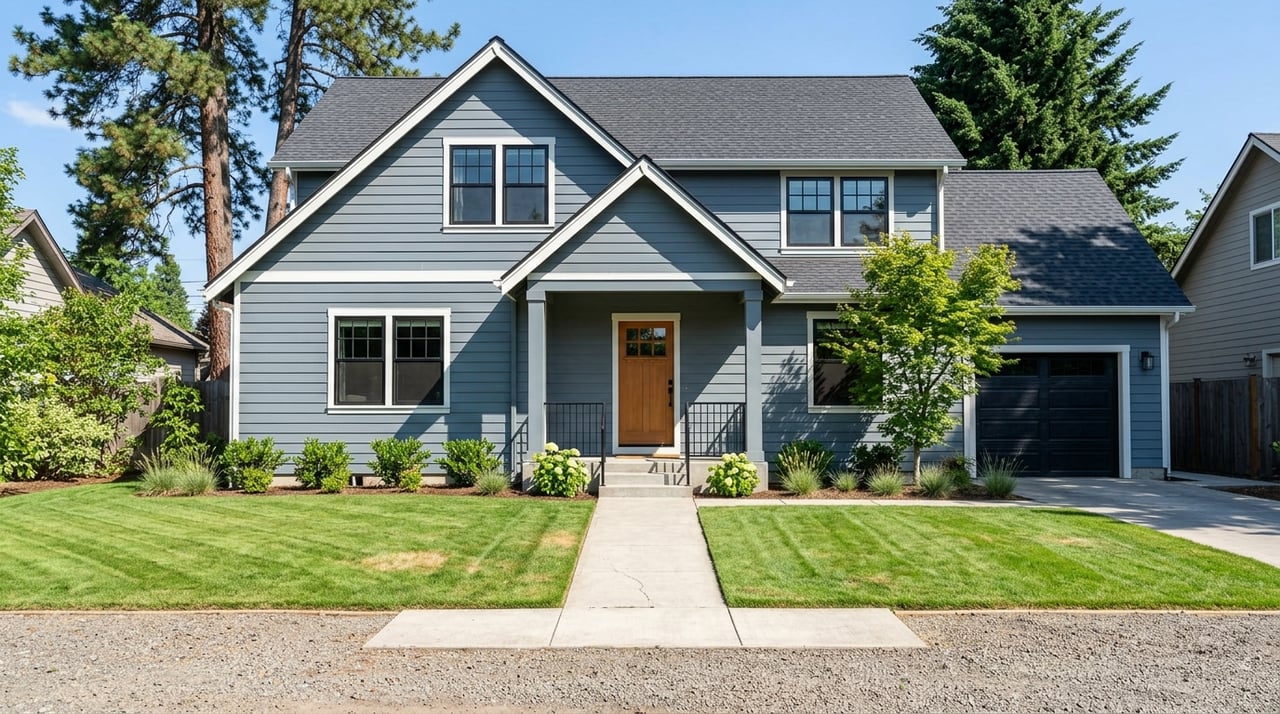
If you are looking at homes in Priest River, you should expect a housing market with a few different paths. According to the city’s 2026 planning update, the housing supply is limited and constrained, with a predominance of single-family detached homes, an important manufactured-housing component, limited rental availability, and an aging housing stock that needs reinvestment.
In practical terms, that means the market may not look like a newer master-planned community with uniform subdivisions. Instead, you are more likely to see a mix of older homes, established residential areas, manufactured housing, and a variety of property types that reflect how the city developed over time.
That variety can be a positive if you want options beyond one standard housing style. It can also mean that buyers need to look carefully at property condition, updates, and long-term fit based on their goals.
One of the most important things to understand about Priest River is the difference between living in town and living outside of town. Inside city limits, land use remains primarily residential, while commercial and industrial uses are concentrated along U.S. Highway 2 and older development corridors.
Outside the city, the pattern changes significantly. Bonner County planning materials for the Priest River and Oldtown area emphasize preserving rural character, open space, watersheds, dark skies, and public access to waterways and public lands.
That broader rural-residential pattern is intended for areas without urban services. County materials describe 10-acre minimum lots in some rural-residential areas, graveled access, and homes typically served by individual water and sewer systems.
If you are deciding between in-town convenience and a more rural setup, this distinction is a big one. A property just outside the city may offer more space and privacy, but it may also come with very different infrastructure and maintenance expectations.
The housing conversation around Priest River is not limited to city lots and neighborhood homes. Bonner County’s residential appraisal district that includes Priest River, Laclede, Coolin, and Nordman covers more than 700 square miles and 8,147 parcels.
That scale helps explain why the market can include a broad mix of property types. Depending on where you are searching, you may come across in-town homes, acreage, timber ground, hobby-farm parcels, manufactured homes, and other low-density properties. For a deeper look at investment and recreational property options, read Investing in Priest River - Cabins, Land and Rental Potential.
For buyers, this creates opportunity, but it also makes local guidance especially important. Two properties in the Priest River area can offer very different lifestyles, access patterns, and land-use considerations even if they are only a short drive apart.
Priest River can be a strong fit if you want a smaller city with a clear sense of place. The combination of rivers, forest access, community events, and a compact town center gives it a lifestyle that feels grounded and distinctly North Idaho.
It may also appeal to you if you want flexibility in the type of property you buy. Some buyers are drawn to older in-town homes with proximity to civic amenities, while others prefer acreage or lower-density land outside town.
At the same time, the area may require a little more planning than a market with newer, more standardized housing stock. Limited supply, older homes, and a wide range of parcel types make it important to match the property to how you actually want to live.
The simplest way to describe Priest River is this: compact city core, big rural surroundings, and daily life shaped by rivers, forests, and local routines. It is a place where outdoor access is close, community traditions are still visible, and the housing landscape reflects both history and practicality.
If that mix sounds like what you are looking for, Priest River is worth a closer look. And if you want help comparing in-town homes, acreage, or recreational property in this part of North Idaho, Chris Briner can help you sort through the options with clear local insight.
Stay up to date on the latest real estate trends.


Buying or selling a home is a journey that deserves attentive guidance, thoughtful care, and seasoned expertise. Chris Briner is dedicated to providing each client with the confidence and support needed to navigate Coeur d'Alene and Hayden’s dynamic real estate market.